
Expertise · Business Development
Business Development: Boldly Going Where Your Revenue Hasn't Gone Before
New doors. Opened on purpose, not by accident. Business development is how you explore strange new markets, seek out new customers and partners, and grow the accounts you already have… all without abandoning the mothership.
Business Development 101
So...What Is Business Development, Anyway?
Ask ten people to define business development and you’ll get eleven answers. Some mean sales. Some mean partnerships. Some mean “that guy who goes to a lot of conferences.” [Cue the lanyard jingle.]
In go-to-market terms, business development is the discipline of finding and opening new paths to revenue: new markets, new products, new partners, and new ways to grow the customers you already have. A classic from business school, the Ansoff Matrix, maps the four directions you can take it:
Existing Products · Existing Markets
🎯 Market Penetration
Sell more of what you have to the markets you already serve. Think land and expand.
Existing Products · New Markets
🌎 Market Development
Take what already works into a new industry, region, or customer segment.
New Products · Existing Markets
🛠️ Product Development
Build or add new products and services for the customers who already trust you.
New Products · New Markets
🚀 Diversification
The boldest move: new offerings for brand-new audiences. Higher risk, higher reward.
Part One
Exploring Strange New Markets
Before you warp into a new market, you send out the probes. Good business development starts with research that separates a real opportunity from a shiny distraction. That means answering a few questions honestly: Who else needs what we do? What would it take to win them? And what new products or services would make us even more valuable to the markets we already serve?
- Market sizing and segmentation to find where the real demand (and budget) lives.
- Customer needs research to learn what problems new audiences need solved.
- Competitive gap analysis to spot where rivals are weak, absent, or overpriced.
- Adjacent opportunities in neighboring industries, regions, or use cases where your strengths already translate.
- Product and service fit to identify what you could sell into new or existing markets, whether you build it, bundle it, or partner for it.
The best new market is usually hiding right next to the one you already win in.
Part Two
Land and Expand: Grow the Crew You Already Have
Here’s a secret hiding in plain sight: some of your best growth opportunities are customers who already said yes. A smart portfolio review looks for natural upsell and cross-sell paths, then builds a plan to land with your primary product and expand from there as the relationship grows.
01 · Land
🛩️ Win the First Deal
Lead with the primary product that solves the customer’s most urgent problem. Deliver on it. Earn the trust.
02 · Learn
🔍 Understand the Account
Review usage, goals, and growing pains. Map your portfolio against what the customer actually needs next.
03 · Expand
📈 Grow Where It Helps
Upsell to a bigger tier or more capacity, or cross-sell a complementary product or service, only where it genuinely adds value.
The Golden Rule of Expansion
“It's unethical to sell someone something they don't need. It's also unethical not to sell someone something they do need.”
That principle, taught by Sandler Training, is the heart of land and expand done right. Expand where it helps the customer, not just the quota. Do that consistently, and expansion stops feeling like selling and starts feeling like service.
Part Three
Marketing Is Your First Officer
Every captain needs a Number One. Business development can open the door to a new market or a new product line, but Marketing is the team building the positioning, the messaging, and the actual story you’ll tell once you walk through it. When BD and Marketing plan together, the new market hears one clear, compelling story. When they don’t… well, it gets awkward fast.
🎯 Positioning
Where you fit in the new market, who you’re for, and why you win against the locals.
💬 Messaging
The words that resonate with a new audience, in their language, not yours.
📖 The Story
Why you’re here, why now, and why anyone should take the meeting.
🧰 Enablement
Decks, one-pagers, case studies, and talk tracks that make the pitch repeatable.
A new market with an old message is just a cold call with extra steps.
Taking It to Market
Three Ways to Take Business Development to Market
Once you know where you’re going, the next question is how you get there. Most successful BD strategies use some mix of these three flight paths.
01
🌎 Develop New Markets
Take your products into new industries, regions, or segments, backed by the research above.
- Research-backed target markets and segments
- Pilot customers to prove fit early
- Positioning and messaging localized for the new audience
- A launch plan with clear targets and owners
02
🤝 Add New Pathways to Your Audience
Borrow trust from groups that already have a relationship with your buyers.
- Channel programs: resellers, VARs, MSPs, agents, and distributors
- Technology and integration partners who serve the same buyers
- Communities: industry associations, user groups, and online communities
- Referral programs that reward happy customers and partners
- Co-marketing, sponsorships, and marketplaces that put you in front of the right crowd
03
📞 New Direct Sales & Outreach
Targeted email, calls, social, networking, and events aimed at the right audience. To work, it needs:
- Clearly defined goals: meetings, pipeline, and revenue targets everyone agrees on
- A blueprint for execution: ICP, target lists, sequences, cadences, handoffs, and CRM tracking
- Techniques that earn a “yes”: relevant, researched, human outreach buyers actually want to answer
Outreach That Works
The Spam Cannon vs. The Welcome Knock
Let’s be honest: most outbound gets deleted, ignored, or reported as spam. Not because outreach doesn’t work, but because most of it is lazy. The goal is to inspire potential clients to respond positively, not to annoy them into hitting “block sender.”
Shields Down
The Spam Cannon
- Buying a list and blasting everyone on it
- Pitching the product in the first sentence
- Fake “Re:” subject lines and bait-and-switch tricks
- Seven “just checking in” follow-ups in a row
- Treating every prospect exactly the same
Shields Up
The Welcome Knock
- A focused list built on a clear ideal customer profile
- Opening with their problem, backed by real research
- Sharing a useful insight before asking for anything
- Short, human messages with an easy, low-pressure ask
- Respecting a “no” (and a “not now”)
Nobody ever became a loyal customer because of an email they resented.
Part Four
Client Success: The Mission Doesn't End at the Signature
Here’s where a lot of business development strategies quietly fall apart. The deal closes, everybody high-fives, and the team warps off to chase the next new logo… while the customer they just won is left wondering what happens next. [Cue the tumbleweed rolling across the bridge.]
Business development is not a one-and-done approach. Winning the first deal is the pilot episode. An effective client success program is how you get renewed for seven seasons. That’s why every BD strategy should be built to strengthen long-term value (LTV) just as much as near-term revenue.
| One-and-Done BD | LTV-Focused BD | |
|---|---|---|
| Goal | Close this quarter’s deal | Grow the relationship for years |
| Success metric | New bookings | New bookings plus retention, expansion, and lifetime value |
| After the sale | Hand off and move on | Onboard, review, and keep delivering value |
| Growth engine | Always hunting for the next new logo | New logos plus renewals, expansion, and referrals |
The Math Behind Keeping Customers
5–25x
more expensive to acquire a new customer than to retain an existing one
25–95%
increase in profits from a 5% increase in customer retention (Bain & Company)
What an Effective Client Success Program Includes
👋 Onboarding That Sticks
A clear kickoff, quick early wins, and a defined path to value, so new clients feel the payoff fast.
📅 Regular Business Reviews
Scheduled check-ins to review results, revisit goals, and plan what’s next together.
🩺 Health Scores & Early Warnings
Track usage, engagement, and support signals to catch at-risk accounts before they churn.
👂 Feedback Loops
NPS, surveys, and customer advisory input that flow back to Product, Marketing, and Sales.
📣 Advocacy & Referrals
Turn happy clients into case studies, reviews, and referrals that open the next door.
📈 Expansion Planning
Account plans that spot upsell and cross-sell needs early, the ethical way.
Full Circle
Client success feeds business development.
Happy clients renew, expand into new products, and refer their peers, which loops right back into land and expand and your referral pathways. Near-term revenue pays this quarter’s bills. Lifetime value builds the company.
Captain's Log
Building Business Development From a Marketing-First Seat
I’ve built and led business development efforts from the marketing side of the house, including years running Marketing and Sales together. Here’s what I’ve learned: when you start BD with a marketing-first perspective, product, marketing, and sales stop working in separate orbits. You get alignment built in from day one, and that alignment is what turns new opportunities into actual revenue.
Why Marketing-First Works
- One story across every team. Product, Marketing, and Sales all tell the same story to the new market.
- Outreach built on tested messaging, not whatever the rep made up on the drive in.
- Partners who are actually enabled, with content, training, and proof they can use.
- Pipeline measured end to end, from first touch to closed deal, so you know what’s working.
- Less friction, more momentum, because nobody is surprised by what the other team is doing.
The Receipts

Steadfast · Community Pathway
Opening Doors Through Community
As VP of Marketing and Sales at Steadfast, I owned both sides of the pipeline. Our Rotary Club of Chicago JOB1 sponsorship put Steadfast in front of a room full of Chicago business and civic leaders, with a “partner, not vendor” story that matched how the sales team actually operated.
Show up where your buyers already gather, with a story worth hearing.

OpenMetal · Developer Community
Borrowing Trust From a Community
At OpenMetal, the fastest path to developers ran through communities they already trusted. A freeCodeCamp tutorial series pulled 375,000+ views and drove 1,000+ inbound cloud trials, and a testimonial from the Open Infrastructure Foundation added credibility with a technical crowd.
Partners and communities can open doors faster than any cold email.
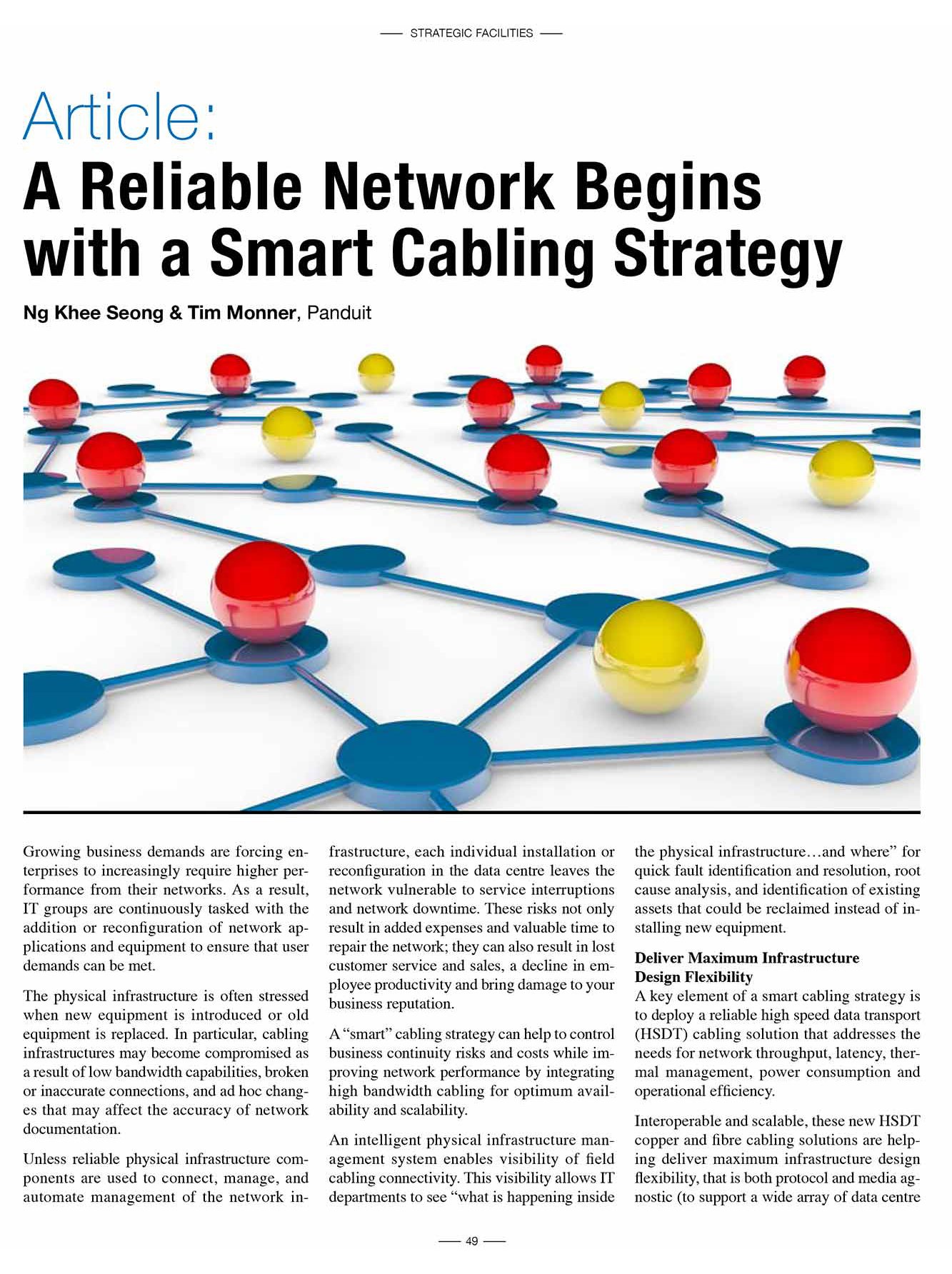
Panduit · International Market Development
Earning Credibility in a New Region
Growing Panduit’s presence internationally meant earning trust market by market. I co-authored a trade article with a regional expert, localized for its market, and helped take SmartZone into the UK and EMEA with fully localized messaging and campaigns.
New markets need local credibility, not just translated brochures.
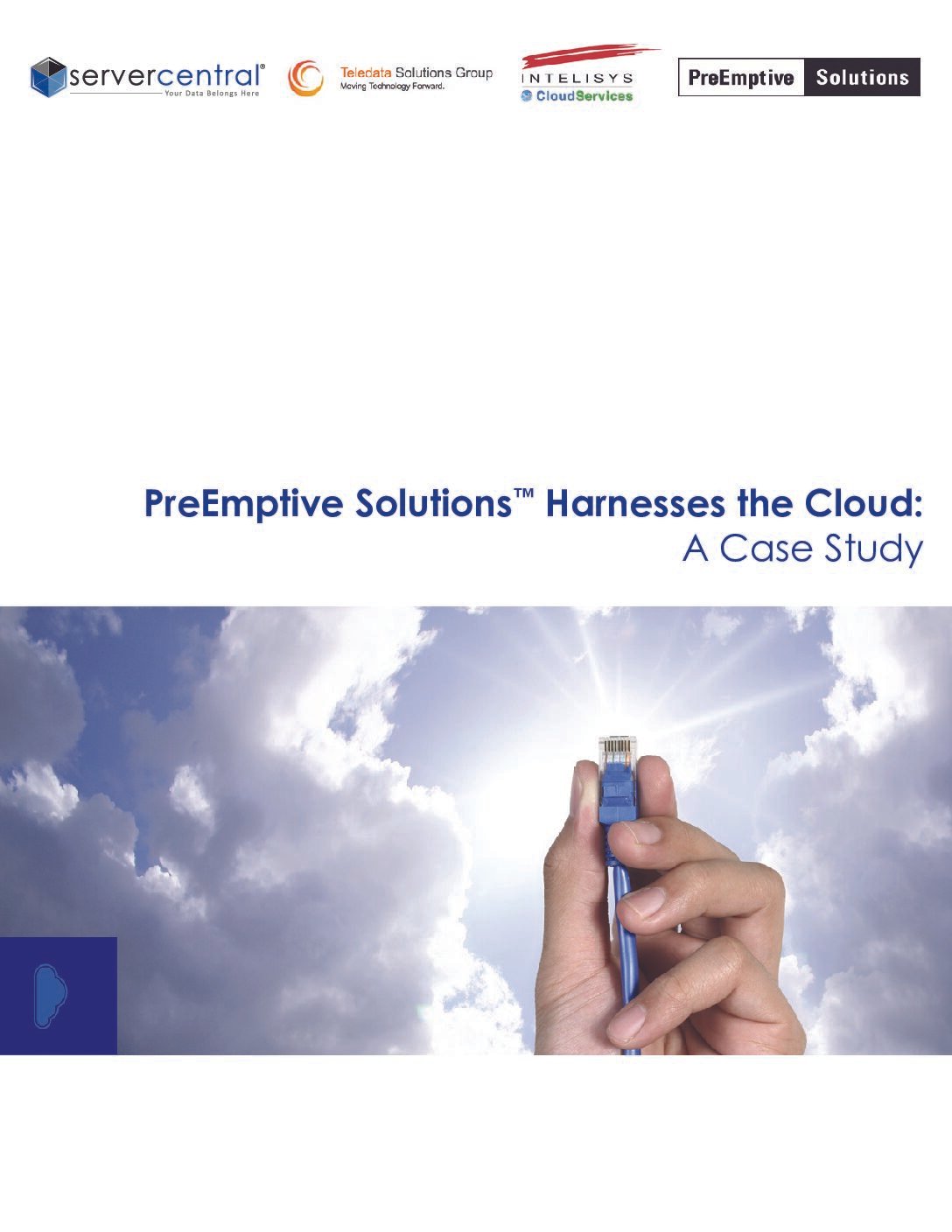
ServerCentral · Channel Enablement
Arming the Channel Partners
A customer win becomes a business development asset when partners can use it. This ServerCentral case study featured channel partners Intelisys and Teledata right in the story, with a 5-7x increase in I/O performance, so direct sales and the partner network could both run with it.
Your partners sell what you equip them to sell.
Working With The Marketing Mindscape
How We Chart Your Growth
01
Chart the Course
Research markets, customers, and your current portfolio to map the most promising growth opportunities.
02
Align the Crew
Get Product, Marketing, and Sales aligned on positioning, messaging, and the story for each opportunity.
03
Build the Pathways
Stand up the right mix of channel partners, communities, and referral programs.
04
Launch the Outreach
Goals, a blueprint, sequences, and enablement for direct sales that earns positive responses.
05
Retain & Expand
Build client success programs that grow lifetime value, and track pipeline by path so you can double down on what works.
Pick your speed: a focused business development strategy sprint, ongoing fractional marketing leadership, or a lighter advisory setup to pressure-test your growth plan.
Is This You?
Business development might be your next move if...
- Your core market is maturing and you need the next growth engine.
- You suspect there’s untapped revenue sitting in your existing customer base.
- You want partners, resellers, or referrals, but don’t know where to start.
- Your outbound feels more like spam than conversation (and the reply rates prove it).
- Business development, Marketing, and Sales are each running their own plays.
- New customers sign on… then quietly drift away at renewal time.
If you nodded at even one of those… let’s talk.
How We Can Help
Some of the best new doors open through partners. We design the program, recruit the right partners, and arm them to sell with you, typically in 8–12 weeks.
Make It So
Ready to Open Some New Doors?
Tell me where your growth is coming from today and where you want it to come from tomorrow. We’ll map the markets, the pathways, and the plan to get there. Engage.
Building the plan around it? See Go-To-Market and Product Marketing too.