
Expertise · Product Marketing
Product Marketing: If You Build It, Will They Come?
In Field of Dreams, Kevin Costner builds a baseball diamond in a cornfield and the crowds just… show up. Great movie. Terrible product strategy. Real products need marketing in the driver’s seat, from the first customer interview to the hundredth happy review.
Product Marketing 101
So...What Is Product Marketing, Anyway?
Okay, simple version: product marketing is the bridge between what your company builds and what your customers actually buy. It makes sure the right product gets built for the right people, explained the right way, and sold the right way.
Product management builds the thing right. Product marketing makes sure it’s the right thing… and that the world knows about it. And in fairness to our friends in Product: nobody knows the product better than they do. Product marketing’s job is to make sure the market knows it too.
👂 Voice of the Customer
Inside the building, product marketing speaks for the buyer: what they need, what they’ll pay for, and what keeps them up at night.
📢 Voice of the Product
Outside the building, it tells the product’s story in words customers actually use, not in feature specs and engineering-speak.
🤝 Sales' Secret Weapon
It arms Sales and partners with the positioning, battlecards, demos, and proof they need to win, starting on day one.
Why It Matters
- You build what the market actually wants, not just what sounded cool in the roadmap meeting.
- You stand out with positioning that makes “why you” obvious.
- Sales wins more, because they’re equipped instead of improvising.
- Launches land instead of quietly going live on a Friday afternoon.
- The product keeps getting better, because customer feedback has somewhere to go.
Great products don’t sell themselves. Great product marketing makes it look like they do.
Marketing Across the Product Lifecycle
Marketing's Fingerprints on Every Stage
Here’s the biggest myth in product marketing: that Marketing shows up at the end to “make it pretty” and write the press release. [Cue the record scratch.] The best product teams bring Marketing in at the very beginning and keep it there the whole way through. Here’s what that looks like.
01
🔍 Product Research
Before a single prototype, marketing brings the “who” and the “why.”
Marketing delivers: Market sizing, customer interviews, buyer personas, competitive intel, and win/loss analysis.
02
🛠️ Product Development
Keeps the build tied to what buyers will actually value (and pay for).
Marketing delivers: Market requirements, feature priorities by customer impact, early value proposition, and pricing and packaging input.
03
🧪 Product Testing
Finds out what resonates before the whole world is watching.
Marketing delivers: Beta and pilot programs, concept and message testing, early-adopter recruiting, and the first proof points and testimonials.
04
🎯 Product Positioning
Nails down exactly where you fit and why you win.
Marketing delivers: Competitive positioning, messaging framework, naming, the pricing story, and the “why us” in plain English.
05
🚀 Product Rollout
Turns a ship date into an actual launch.
Marketing delivers: Launch plan, sales and channel enablement (battlecards, demos, training), content, PR and analyst relations, and campaigns.
06
📈 Feedback & Satisfaction
Keeps listening long after the confetti is swept up.
Marketing delivers: NPS and CSAT, adoption and usage metrics, reviews, win/loss, customer advisory input, and feeding it all back into the roadmap.
The Plot Twist
It's a loop, not a line.
Stage six feeds right back into stage one. What customers say after launch becomes the research that shapes the next release, the next feature, and the next product. Companies that close that loop don’t just launch products. They build product lines customers keep coming back to.
The ROI of Product Marketing
Show Me the Money: Marketing in the Driver's Seat
New products are where a huge share of growth comes from, and where a huge share of money quietly disappears. The difference usually isn’t budget. It’s planning, insight, and who’s steering.
25%+
of total revenue and profits across industries comes from new product launches
McKinsey
50%+
of product launches fail to hit their business targets
McKinsey
2.6x
more likely to see significantly higher ROI when companies make intensive use of customer analytics
McKinsey
23x
more likely to excel at new-customer acquisition for customer-analytics champions
McKinsey
Where a Well-Run Product Plan Pays Off
- Fewer expensive misfires. Research up front means less money spent building things nobody asked for.
- Faster adoption. Clear positioning and a real launch plan shorten the gap between “available” and “in use.”
- Higher win rates. Sales walks in knowing the buyer, the competition, and the proof.
- Stronger pricing power. A product positioned on value doesn’t have to live on discounts.
- Lower acquisition costs. Campaigns aimed at the right buyers waste less budget.
- Longer customer lifetimes. Satisfaction tracking catches problems before they turn into churn.
McKinsey found no link between launch success and how much companies spent. Team collaboration and market insight made the difference. Translation: steer smarter, not louder.
Working With The Marketing Mindscape
How We Put Marketing in the Driver's Seat
I’ve driven product rollouts on the deck of a global enterprise and on the throttle of a fast-moving cloud startup. The playbook scales both ways, and it always starts with the customer.
01
Listen
Customer interviews, market research, and competitive intel to find the real problem worth solving.
02
Define
Value proposition, positioning, and pricing input that the product and sales teams both sign off on.
03
Prove
Betas, pilots, and message testing to lock in proof points before launch day.
04
Launch
Enablement, content, and campaigns so Sales, partners, and support are ready on day one.
05
Learn
Feedback and satisfaction tracking that feeds straight back into the roadmap.
Pick your speed: a focused product launch engagement, ongoing fractional marketing leadership, or a lighter advisory setup to pressure-test your product plan.
Rollouts From the Trenches
The Receipts
Big organization or small, the fundamentals don’t change. The pace does. Here are product rollouts I’ve driven on both kinds of stages.
🚢 The Big Ship: Enterprise Rollouts at Panduit
A global manufacturer with a deep catalog, a worldwide channel, and a lot of stakeholders to align before anything ships.

Panduit · New Product Introduction
VeriSafe: Educating a Market Before Launch
VeriSafe, a patent-pending absence of voltage tester, asked electricians to change something they’d always done by hand. The pre-release rollout led with NFPA 70E compliance, compared it side by side with portable testers, and backed it with credibility cues like SIL 3 certification.
When a product changes a habit, education comes before promotion.
Panduit · Product Launch
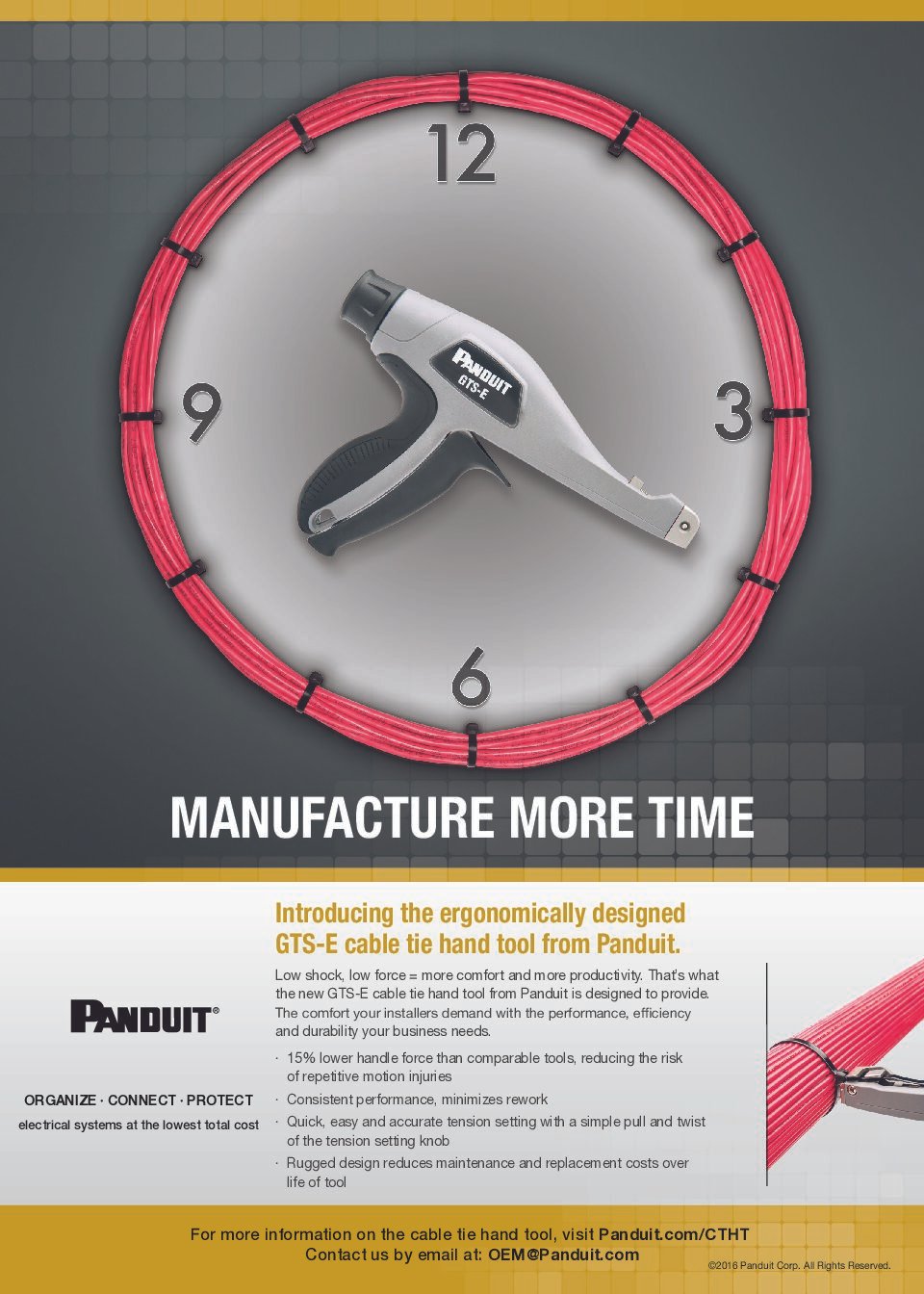
GTS-E: Standing Out in a Lookalike Category
Every cable tie tool looks about the same, so the GTS-E rollout positioned the tool around productivity and installer health. Proof points like 15% lower handle force did the persuading, and a dedicated vanity URL tracked response.
Position on the outcome, then prove it.
Panduit · Solution Portfolio
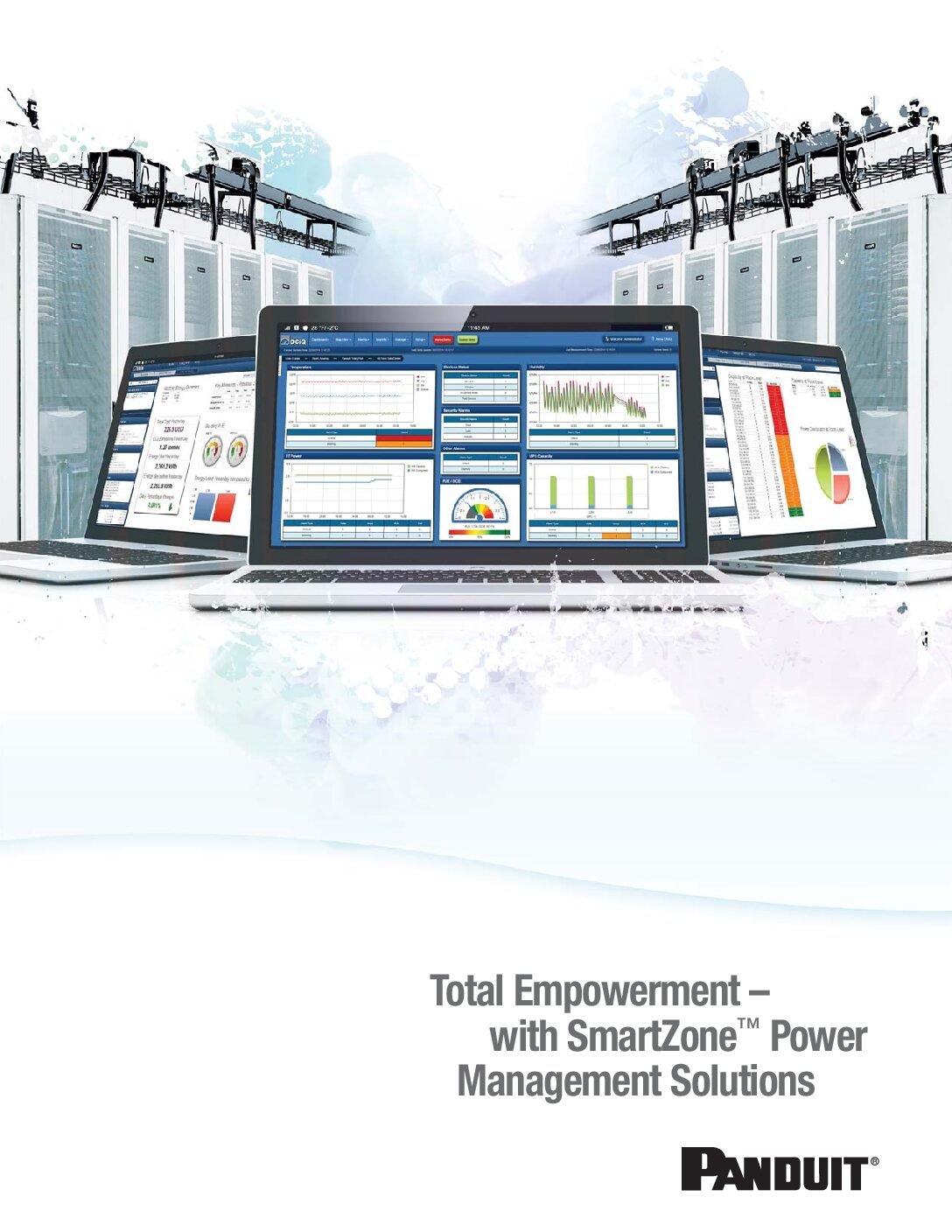
SmartZone: Positioning a Whole Portfolio
Most DCIM systems were seen as too big, too slow, and too expensive. SmartZone was positioned as the modular, fast-payback alternative, backed by analyst research, and IDC later noted the solution had grown far faster than the market average.
Position against the category’s biggest frustration.
🚤 The Speedboats: High-Growth Launches at Steadfast & OpenMetal
Smaller, faster-moving cloud companies where the product team, the marketing team, and sometimes the whole company fit in one conference room.
OpenMetal · Platform Launch
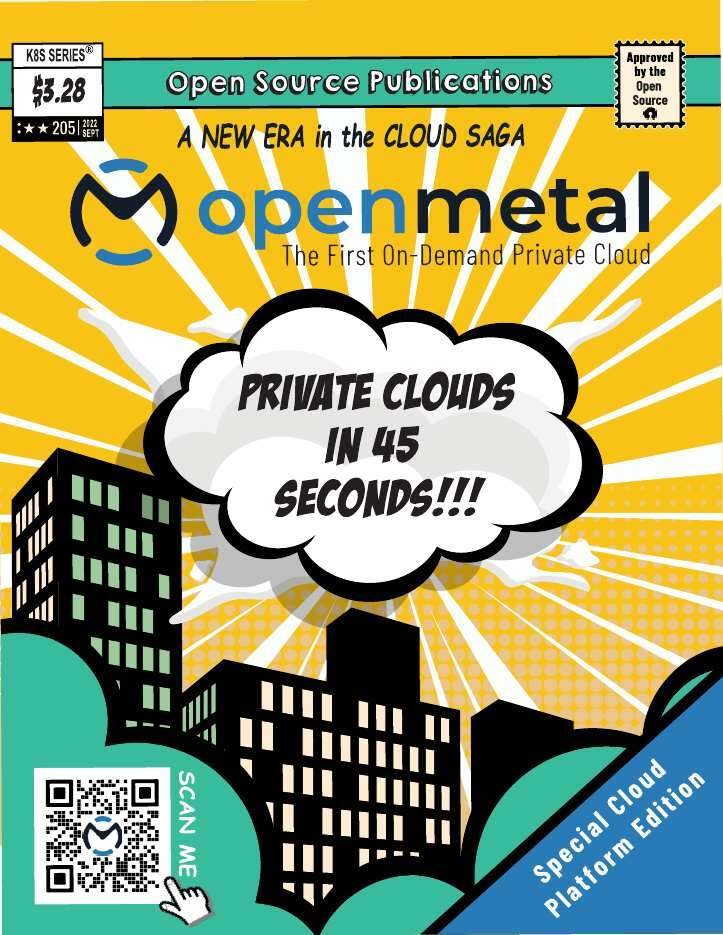
OpenMetal: Launching to Developers
Introducing an on-demand private cloud to developers meant skipping the sales pitch. The rollout used a comic-book explainer with a QR code straight to a free trial, plus a freeCodeCamp tutorial series that pulled 375,000+ views and drove 1,000+ inbound cloud trials.
Let the audience try it, not just read about it.
Steadfast · Product Launch
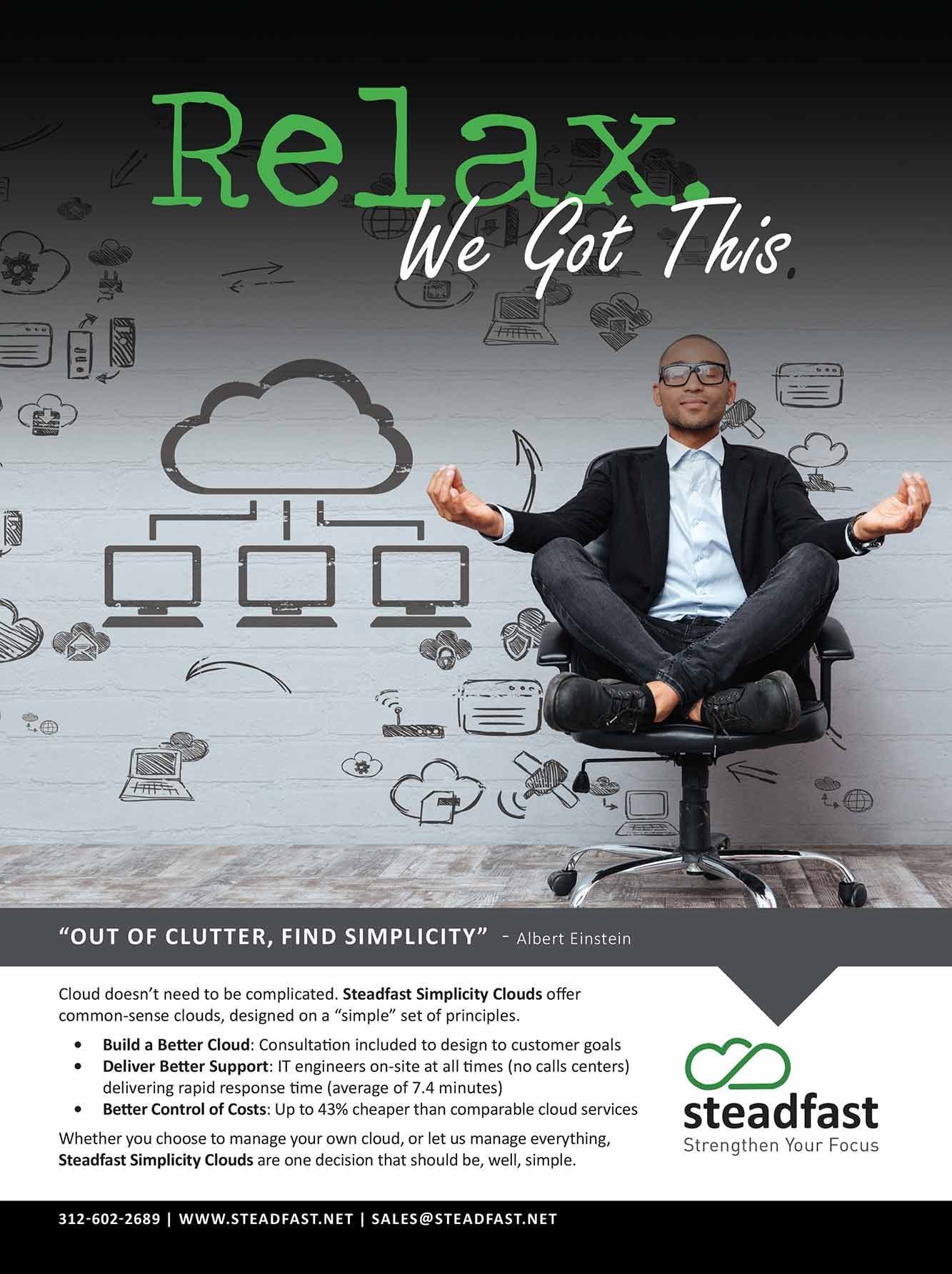
Simplicity Clouds: Naming the Real Pain
Buyers weren’t missing a spec. They were drowning in complexity. Steadfast Simplicity Clouds was positioned around “Relax. We Got This.” with hard proof: a 7.4-minute average response time and pricing up to 43% below comparable clouds.
Solve the headache, not the spec sheet.
Steadfast · Post-Launch Education
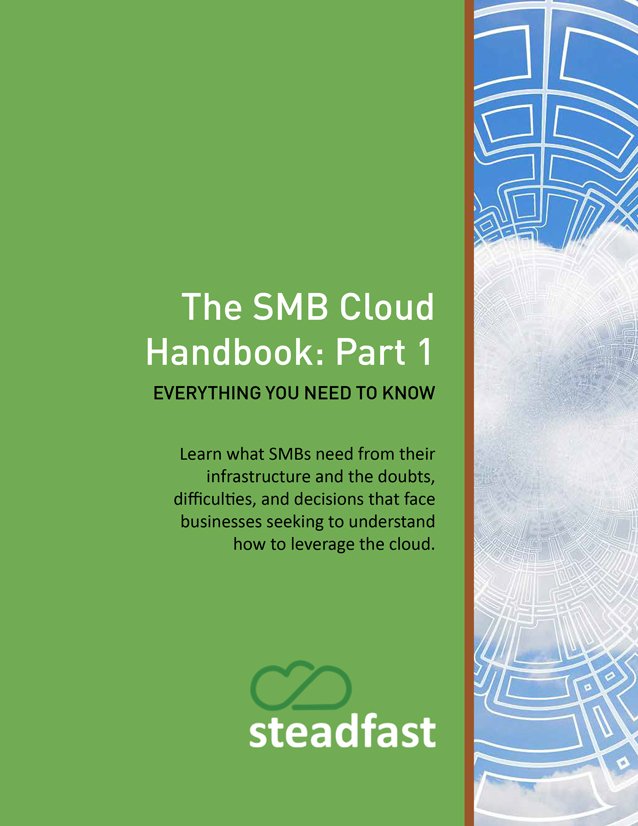
The SMB Cloud Handbook
Small businesses were stuck between marketing spin and enterprise jargon. A multi-part handbook series answered their real questions in plain English, turning one download into an ongoing nurture relationship that kept buyers engaged well past launch.
The launch is the start of the conversation, not the end.
Is This You?
Product marketing might be your next move if...
- You’ve got a new product coming and want it to land with a thud of demand, not a whisper.
- Your product team builds great stuff, but the market doesn’t quite “get it.”
- Sales keeps asking, “How is this different from the competition?”
- Nobody owns customer feedback once the product ships.
- You don’t have a product marketing function yet (or it’s one very tired person).
If you nodded at even one of those… let’s talk.
How We Can Help
Product marketing is the engine behind every great launch. Our GTM & Launch Playbook puts it to work: positioning, messaging, a launch plan, and the sales tools to back it all up.
Batter Up
Ready to Build It So They'll Actually Come?
Tell me about the product you’re building or the one that isn’t landing the way it should. We’ll talk through the customer, the positioning, and the rollout. No cornfield required.
Planning the bigger launch? See Go-To-Market and Brand Building too.