
Expertise · Partner & Channel Enablement
Partner & Channel Enablement: Assemble Your Ecosystem
Even the mightiest superheroes don’t save the world alone. They assemble a team, each with their own powers, all fighting for the same mission. The right partners can take your products places your sales team could never reach on its own.
Channel 101
So...What Is Partner & Channel Enablement, Anyway?
Simple version: a channel is any route to market that runs through another company instead of (or alongside) your own sales team. Partner and channel enablement is everything that equips those partners to succeed: the program structure, training, content, tools, incentives, and support that help them recruit, sell, deliver, and keep customers happy.
There are a lot of ways to build a partner ecosystem. Here are the most common program types:
🔗 Referral & Affiliate Programs
Partners introduce qualified leads or promote your product with a tracked link, in exchange for a commission or referral fee. You handle the sale and billing.
How partners earn: Commissions or referral fees
Best for: Content creators, consultants, and complementary businesses
🏪 Reseller & VAR Programs
Partners buy your products or software and sell them directly to end customers under their own name, often adding services, implementation, or support to increase value.
How partners earn: Margin on resale plus services
Best for: Regional and specialty sellers with established customer relationships
🖥️ Managed Service Provider (MSP) Programs
Partners bundle your technology into recurring, subscription-based IT or operational services they manage month to month for their clients.
How partners earn: Recurring monthly service revenue
Best for: Cloud, security, IT, and operations services
🏗️ Systems Integrator (SI) Programs
Large consulting and technology firms design and implement complex, multi-vendor enterprise solutions.
How partners earn: Professional services
Best for: Enterprise deals with complex, custom requirements
🧩 Technology Alliance & ISV Programs
Independent software vendors build complementary products that integrate with your platform, sharing ecosystems and joint pipelines rather than product margins.
How partners earn: Shared ecosystem and joint pipeline
Best for: Platforms where integrations make both products more valuable
🏷️ OEM & White-Label Programs
Partners embed your technology or product directly into their own branded hardware or software offerings.
How partners earn: Licensing or per-unit fees
Best for: Components, embedded tech, and private-label products
🚚 Distributor Programs
Wholesale partners buy in large volumes and supply downstream networks of smaller resellers and retailers in a multi-tier model.
How partners earn: Volume margins and logistics value
Best for: Physical products and broad market coverage
🧭 Master Agent Programs
Aggregators that connect vendors to large networks of independent sales agents and advisors, handling contracts, commissions, and support for the whole network.
How partners earn: Shared commissions across the network
Best for: Telecom, cloud, and technology services sold through trusted advisors
Most healthy ecosystems mix several of these. The trick is choosing the right mix for your business.
Designed for Your Mission
One Channel Program Does Not Fit All
Every hero on the team has different powers, and every business needs a different channel. Partner and channel programs should be designed around the goals and objectives of each organization. Just look at how different two companies’ needs can be:
| Enterprise Data Center Hardware Manufacturer | SMB SaaS Inventory App | |
|---|---|---|
| What’s sold | Physical infrastructure with long lifecycles and installation requirements | A monthly software subscription |
| Deal size & cycle | Large, project-based deals that can take months or years | Small, fast purchases, often self-serve |
| Likely partners | Distributors, VARs, systems integrators, and contractors | Referral and affiliate partners, integration partners, consultants, and app marketplaces |
| Partner economics | Margins, rebates, deal registration, and co-marketing funds | Recurring commissions, revenue share, and referral fees |
| Enablement needs | Technical certification, product specs, and installation training | Quick onboarding, demo accounts, tracked links, and co-marketing content |
| Key metrics | Sell-through, design wins, and partner-sourced pipeline | Referral conversions, partner-sourced MRR, and churn |
Copying another company’s partner program is like borrowing someone else’s superhero suit. It might look great, but it won’t fit.
Build It Right
More Than "An Extension of Sales"
Here’s where a lot of companies go wrong. They treat the channel as a side hustle for the sales team: sign a few partners, send them a price list, and hope for the best. [Cue the crickets… from partners who never sold a thing.]
A successful channel needs more than a program document. It needs the right program, the right team to run it, and the right platforms to manage it, all designed with the needs of partner and channel stakeholders in mind. Tellingly, Forrester found that more than half of marketers don’t even have responsibility for channel partner marketing.
01
📋 The Program
- Partner types, tiers, and requirements
- Economics: margins, commissions, and incentives
- Rules of engagement and deal registration
- Clear policies to prevent channel conflict
02
👥 The Team
- Channel and partner account managers
- Partner marketing specialists
- Partner training and enablement
- Partner operations and support
- Compensation plans that reward direct and channel teams for working together
03
⚙️ The Platforms
- Partner portal and relationship management (PRM)
- Deal registration and lead distribution
- Through-channel marketing tools
- Training and certification systems
- Referral tracking and commission payouts
- Integration with your CRM
Design the program around what partners need to win, not just what your sales team needs to hit quota.
Partner Marketing
Recruit, Enable, and Retain
Signing a partner agreement is just the origin story. The real work is partner marketing: the programs that recruit the right partners, enable them to sell, and make sure they succeed financially over the long haul.
01 · Recruit
🎯 Find the Right Partners
Define your ideal partner profile, build a compelling “why partner with us” story, and run recruiting campaigns through events, outreach, and a partner-facing website.
02 · Enable
📚 Equip Them to Sell
Onboarding, training and certification, sales kits, co-branded content, demo environments, and joint campaigns that help partners sell to their clients with confidence.
03 · Grow & Retain
💰 Make Them Successful
Incentives, joint business plans, co-marketing funds, recognition, and regular reviews that ensure long-term financial success for partners, so they stay invested in keeping those clients happy.
The Hard Truth
A partner who isn't making money won't be your partner for long.
Partner success is your success. When partners grow profitably, they recruit more customers, deliver better service, and keep those customers around, which is exactly what builds long-term revenue for everyone.
The Numbers
When It's Done Right... and When It Isn't
Channels aren’t a niche strategy. For many industries, they’re the strategy. Which is exactly why getting them right (or wrong) makes such a big difference.
75%
of world trade flows through indirect channels
World Trade Organization, via Forrester
70%+
of the global IT market, about $3.4 trillion in 2023, was delivered through channel partners
Canalys
14%
of marketers had a formal program for curating content from partners
Forrester
Heroes Assembled
Done Right: A Force Multiplier
- Reach markets and regions your team can’t cover alone
- Borrowed trust from partners customers already rely on
- Local expertise, installation, and support
- Lower cost to acquire each customer
- Recurring revenue through services partners
Villain Origin Story
Done Poorly: Pure Chaos
- Channel conflict as direct reps and partners fight over the same deals
- Pricing mismatches that confuse (and annoy) customers
- Partners who feel treated unfairly and walk away
- “Paper partners” who sign up and never sell
- No visibility into what partners are actually selling
From the Trenches
Channel Programs I've Built
I’ve built and grown partner and channel programs across the whole spectrum, from simple affiliate and referral programs to expansive VAR networks, master agents like AVANT, and large distributors like Grainger and Anixter. Each one needed its own economics, its own enablement, and its own playbook. And every one of them worked better with a marketing-first approach to recruiting, enabling, and retaining partners.
🔗
Affiliate & Referral Programs
Simple, scalable programs that reward partners for introductions and promotion.
🏪
VARs & Resellers
Expansive reseller networks that add services, implementation, and local support.
🧭
Master Agents
Programs with master agents like AVANT that open doors to large networks of trusted technology advisors.
🚚
Large Distributors
Relationships with major distributors like Grainger and Anixter that move product at scale.
The Receipts

ServerCentral · Partner-Ready Proof
A Case Study Built for the Channel
This customer story put channel partners Intelisys and Teledata right in the narrative, with hard results like a 5-7x increase in I/O performance, so the partner network could use it just as easily as direct sales.
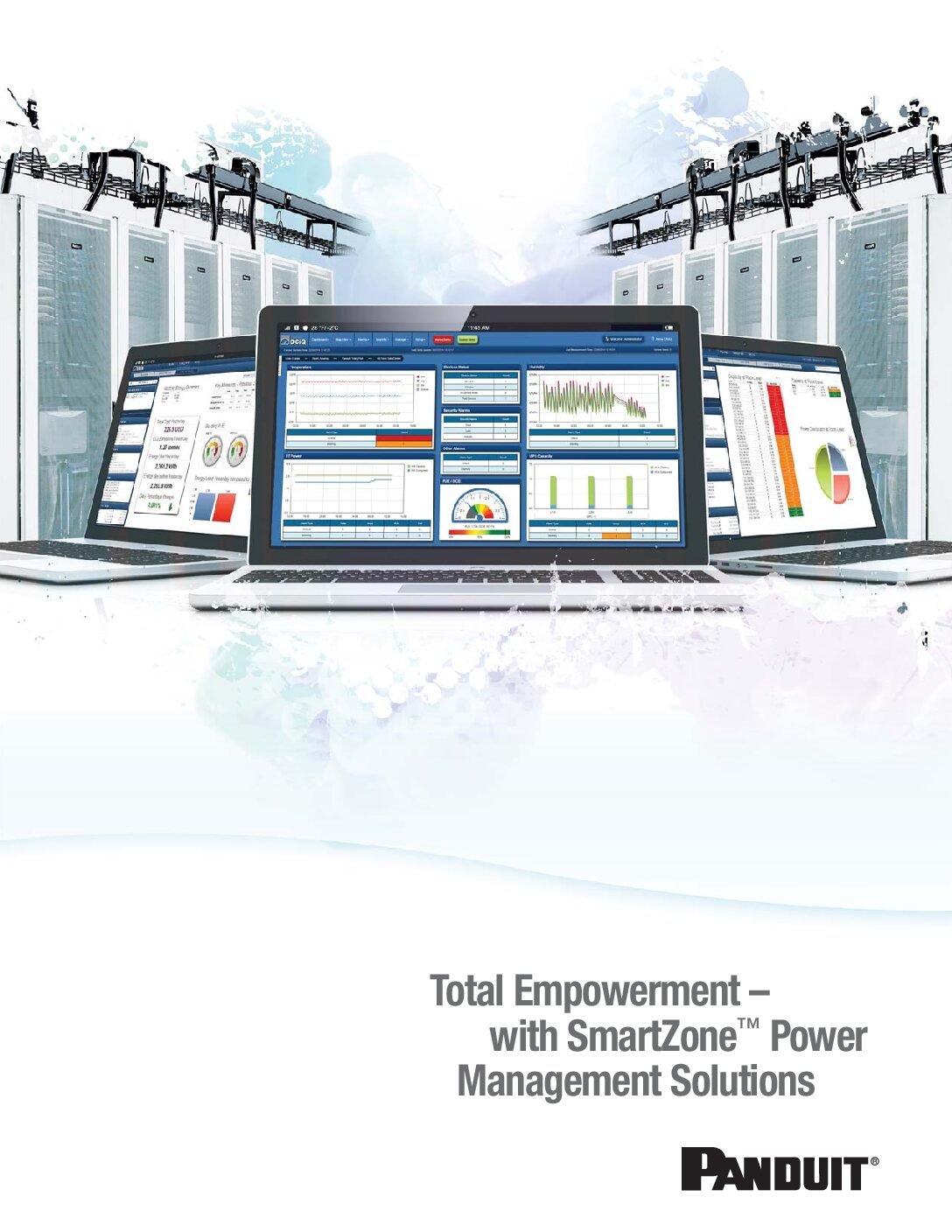
Panduit · Channel Sales Enablement
One Piece for Sales and Channel Partners
A solution brochure designed to give both the direct sales team and channel partners a single, clear story for the SmartZone power management portfolio, with enough depth for technical buyers and a clear value story for economic buyers.
Working With The Marketing Mindscape
How We Assemble Your Channel
01
Define the Mission
Clarify your goals, target markets, and which partner models fit your products and customers.
02
Design the Program
Tiers, economics, rules of engagement, and conflict policies built around partner needs.
03
Build the Team & Platforms
The right roles, compensation, and partner management tools to run the program well.
04
Launch Partner Marketing
Recruit the right partners and equip them with training, content, and joint campaigns.
05
Measure & Grow
Track partner activation, sourced pipeline, and partner profitability, then keep improving.
Pick your speed: a focused channel strategy and program design sprint, ongoing fractional marketing leadership, or a lighter advisory setup to strengthen the program you already have.
Is This You?
Partner enablement might be your next move if...
- You want to launch a partner program but don’t know which model fits.
- You have partners on paper, but only a handful actually sell.
- Your direct and channel teams keep stepping on each other’s deals.
- Partners keep asking for better training, content, and tools.
- You’re managing partners in spreadsheets and email threads.
If you nodded at even one of those… let’s talk.
How We Can Help
Program design, tiers and incentives, partner recruitment, an enablement kit, and co-marketing playbooks. Your ecosystem, assembled in 8–12 weeks.
Assemble
Ready to Assemble Your Partner Ecosystem?
Tell me about your products, your markets, and the partners you have (or want). We’ll design a channel program, team, and partner marketing plan built to win. Capes optional.
Expanding your reach? See Business Development and AI and Platforms too.