
Expertise · Go-To-Market
Commercialization, GTM, & Campaign Strategies
Your mission, should you choose to accept it: get the right product in front of the right buyers, at the right time, with your entire team running the same play. (Don’t worry. This page will not self-destruct in five seconds.)
Why Plan at All?
Great Product. No Plan. What Could Possibly Go Wrong?
We’ve all seen this movie. Product builds something genuinely great. Marketing gets the heads-up two weeks before launch. Sales finds out from the press release. Support finds out when the first confused customer calls. And Finance finds out the pricing doesn’t actually work… in the quarterly review. [Cue the sad trombone.]
A great product doesn’t sell itself. It never has. Every product and service needs a plan for who it’s for, why they should care, how they’ll buy it, and how you’ll deliver on the promise. That plan is your go-to-market strategy, and skipping it is how good products become expensive lessons.
Here's the Twist: GTM Isn't Just a Marketing Thing
Think about any great heist movie. The plan only works because everyone knows their role: the planner, the tech wizard, the driver, the inside person. One person freelancing, and the whole thing falls apart. Go-to-market works the same way. A real GTM plan reviews operations and alignment across the entire team structure, so everyone is marching in the same direction.
🧪 Product
Knows what’s shipping, when, and why it matters. Needs to know who it’s for and what “done” looks like.
📣 Marketing
Owns positioning, messaging, and demand. Needs a real launch date and a clear ICP, not a moving target.
💼 Sales
Carries the number. Needs battlecards, pricing, demos, and training before the first call, not after.
🎧 Customer Success & Support
Keeps customers happy after the ink dries. Needs docs, FAQs, and a heads-up before the phones start ringing.
⚙️ Operations & Finance
Makes it real: pricing, billing, provisioning, fulfillment, and forecasting. Needs to know the plan can actually be delivered.
🎯 Leadership
Sets the targets and clears the roadblocks. Needs clear milestones, budget, and metrics to know it’s working.
A GTM plan that only Marketing has read isn’t a plan. It’s a very detailed wish list.
Know Your Plans
Commercialization vs. GTM vs. Campaigns: What's the Difference?
These three get tossed around like they’re interchangeable. They’re not… but they are related. Think of it like a blockbuster movie franchise. Commercialization is the studio deciding whether to greenlight the franchise, who it’s for, and how it makes money. Go-to-market is the release plan for this film: the date, the theaters, the premiere, the press tour. Campaigns are the trailers, posters, and talk-show appearances that get butts in seats on opening weekend.
01 · The Big Picture
Commercialization Plan
“Should we do this, and how will it make money?”
- Market opportunity and sizing
- Target segments and use cases
- Business model and pricing
- Channels: direct, partner, marketplace
- Operational readiness: support, billing, fulfillment, legal
- Financial targets and investment
Scope: The whole product or service lifecycle. Crew: Leadership, Product, Finance, Marketing, Ops.
02 · The Game Plan
Go-to-Market Plan
“How do we win this market, starting now?”
- Ideal customer profile and buyer personas
- Positioning and messaging
- Competitive landscape
- Sales motion and enablement: battlecards, demos, training
- Launch plan, timeline, and owners
- Success metrics everyone agrees on
Scope: The launch and the first several quarters in market. Crew: Marketing, Sales, Product, Customer Success.
03 · The Plays
Campaign Strategy
“What do we run right now to create demand?”
- A specific audience and offer
- Channel mix: email, paid, content, events, partners
- Creative, content, and messaging
- Budget and timeline
- Tracking: UTMs, landing pages, vanity URLs
- KPIs: leads, pipeline, trials, revenue
Scope: Weeks to a quarter, on repeat. Crew: Marketing, with Sales riding shotgun.
How They Stack
Each layer builds on the one above it.
Commercialization decides where you play. GTM decides how you win. Campaigns are the plays you run on a Tuesday. Then the campaign results flow right back up, sharpening the GTM plan and proving (or challenging) the commercial model.
Skip a layer and things get weird fast: campaigns with no GTM plan are just noise, and a commercialization plan with no GTM plan is just a very pretty PowerPoint.
The ROI of Planning
Show Me the Money
Okay, Jerry Maguire, fair question. Planning sounds great, but does it pay? The research says yes… loudly.
19%
faster revenue growth when sales, marketing, and product are aligned
SiriusDecisions (now Forrester)
15%
higher profitability for those same aligned organizations
SiriusDecisions (now Forrester)
45%
of product launches are delayed by at least one month
Gartner, 2019
11%
of organizations said every product hit 100% of its launch targets
Gartner, 2019
Where the ROI Actually Shows Up
- Faster time to revenue. Launches that ship on time start earning on time.
- Less wasted spend. Campaigns aimed at a defined ICP instead of “anyone with a pulse and a budget.”
- Shorter sales cycles. Reps walk in on day one with messaging, battlecards, and proof that already works.
- Better pricing power. Clear positioning means you compete on value, not discounts.
- Fewer fire drills. Ops, support, and billing are ready before customers show up.
- Results you can actually measure, so you know exactly where to double down.
Every week a launch slips is another week of revenue your competitors get to keep.
Working With The Marketing Mindscape
How We Plan Your Mission
I’ve lived on both sides of the GTM table, including running Marketing and Sales as a VP, where the plan and the number both had my name on them. So this isn’t theory. It’s a practical, collaborative process built to get your whole team moving in the same direction.
01
Recon
Market, customer, and competitive research, plus an honest look at where your team and operations stand today.
02
The Briefing
Build the commercialization model and GTM plan: ICP, positioning, pricing, channels, targets, and a timeline with real owners.
03
Assemble the Crew
Cross-functional alignment across Product, Sales, Support, Ops, and Finance, with enablement so everyone can run their part.
04
Execute the Mission
Launch, then roll out campaigns built to create demand, with tracking baked in from the first click.
05
Debrief & Adjust
Measure what’s working, cut what isn’t, and feed the learnings right back into the plan.
Pick your speed: a focused GTM planning sprint for a specific launch, an ongoing fractional marketing leadership engagement, or a lighter advisory setup to pressure-test the plan you already have.
Missions Accomplished
The Receipts
Launches, spin-outs, international rollouts, and channel programs. Here are a few GTM missions from the trenches at Panduit, Steadfast, OpenMetal, and ServerCentral.
Panduit · Pre-Launch GTM
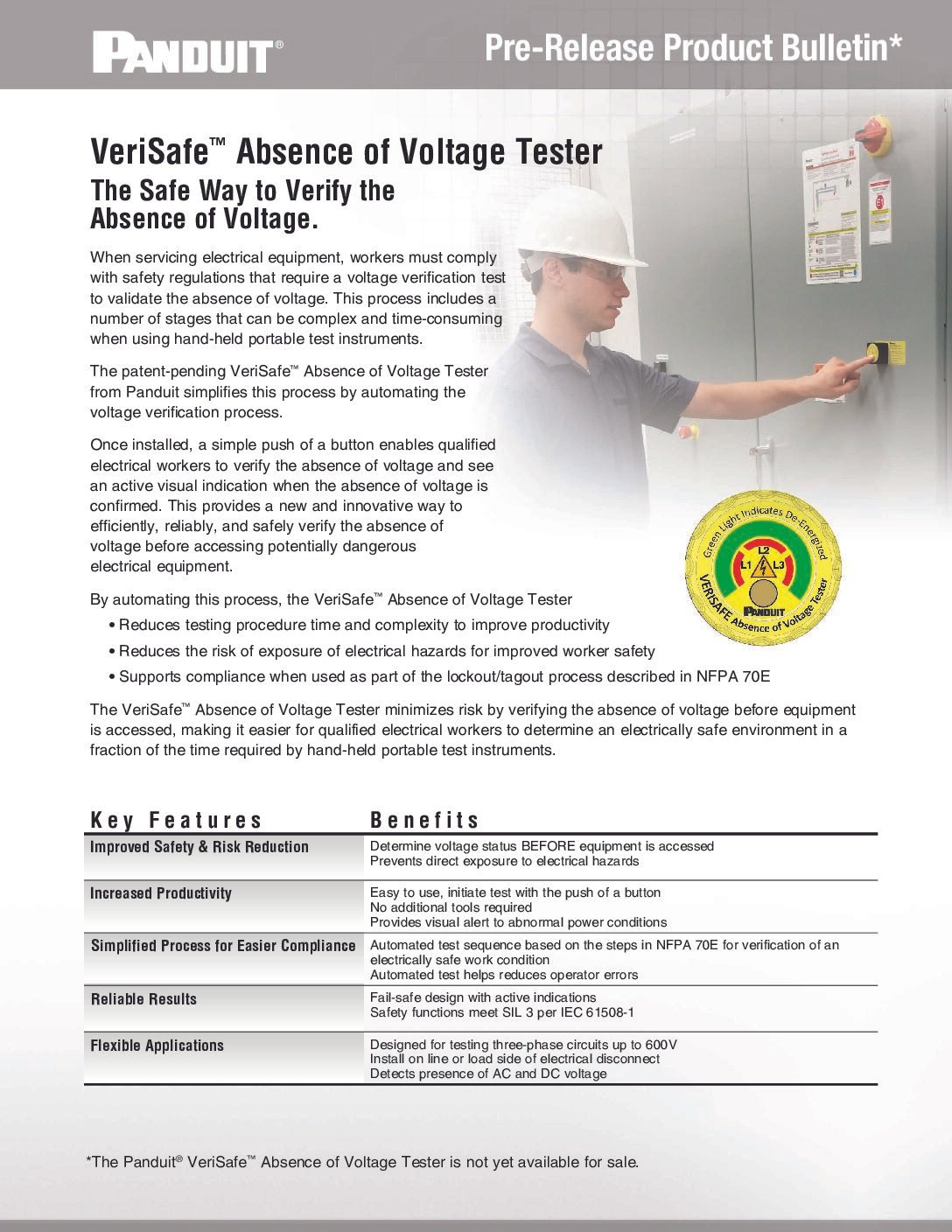
Selling It Before It Ships
For VeriSafe, a patent-pending absence of voltage tester, the GTM work started before the product was on the shelf. A pre-release bulletin spoke the NFPA 70E compliance language that engineers, safety managers, and specifiers live by, and mapped every feature to an outcome they care about.
Build the demand curve before launch day.

Panduit · International GTM
One Solution, a Whole Campaign System
Taking SmartZone DCIM into the UK and EMEA took more than one ad. It took localized print, an IDG white paper, an infographic, a sales and channel brochure, IDC analyst validation, and a case-study-led cooling campaign featuring $597,000 in energy savings and a 12-month ROI.
A GTM plan is a system, not a single asset.
Panduit · Product Launch Campaign
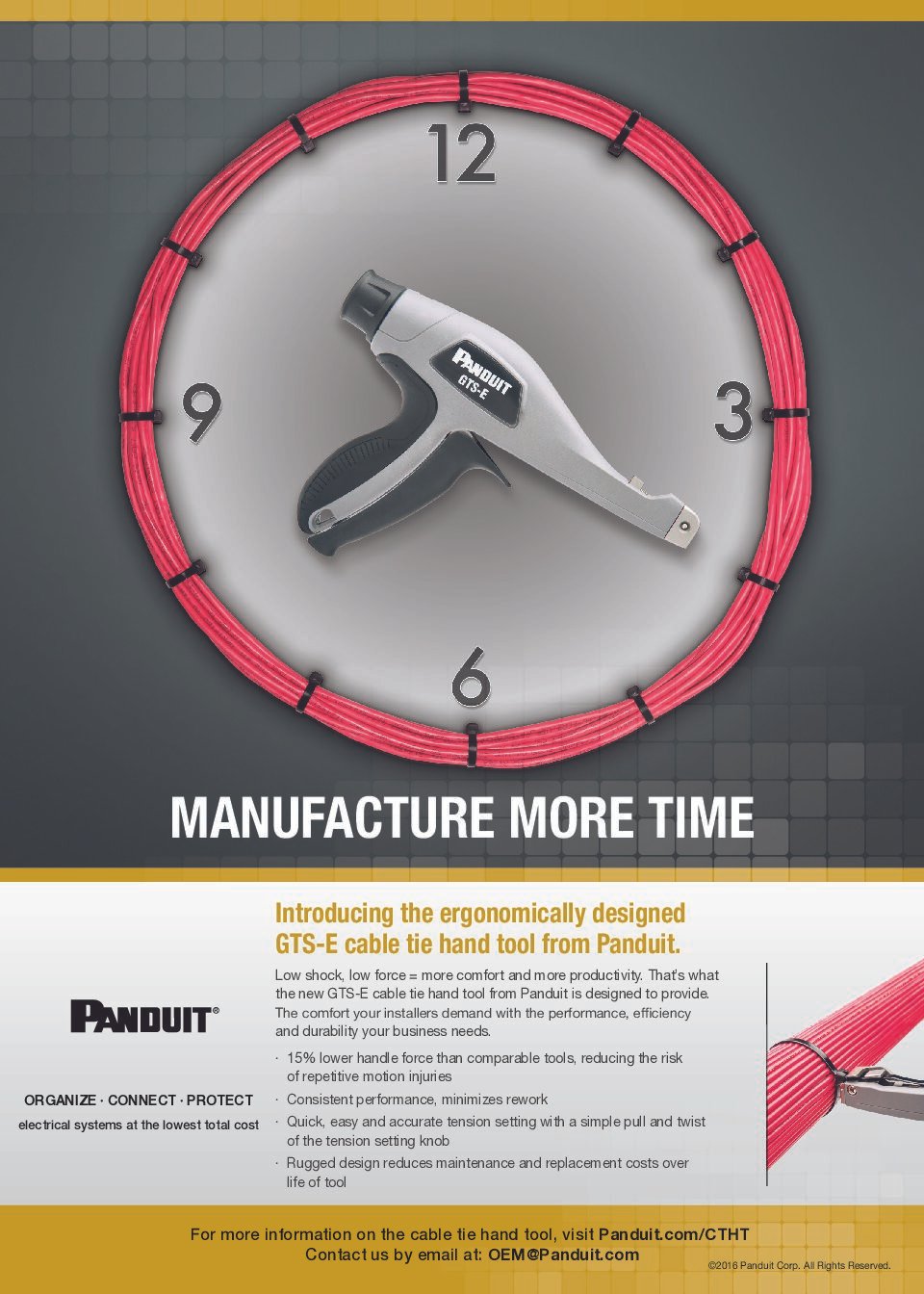
Manufacture More Time
Launching the GTS-E cable tie tool into a category where every tool looks the same meant selling the outcome, not the tool. Proof points like 15% lower handle force backed the promise, and a dedicated vanity URL made sure campaign response could actually be tracked.
If you can’t measure it, it isn’t a campaign.
Steadfast · Product Launch
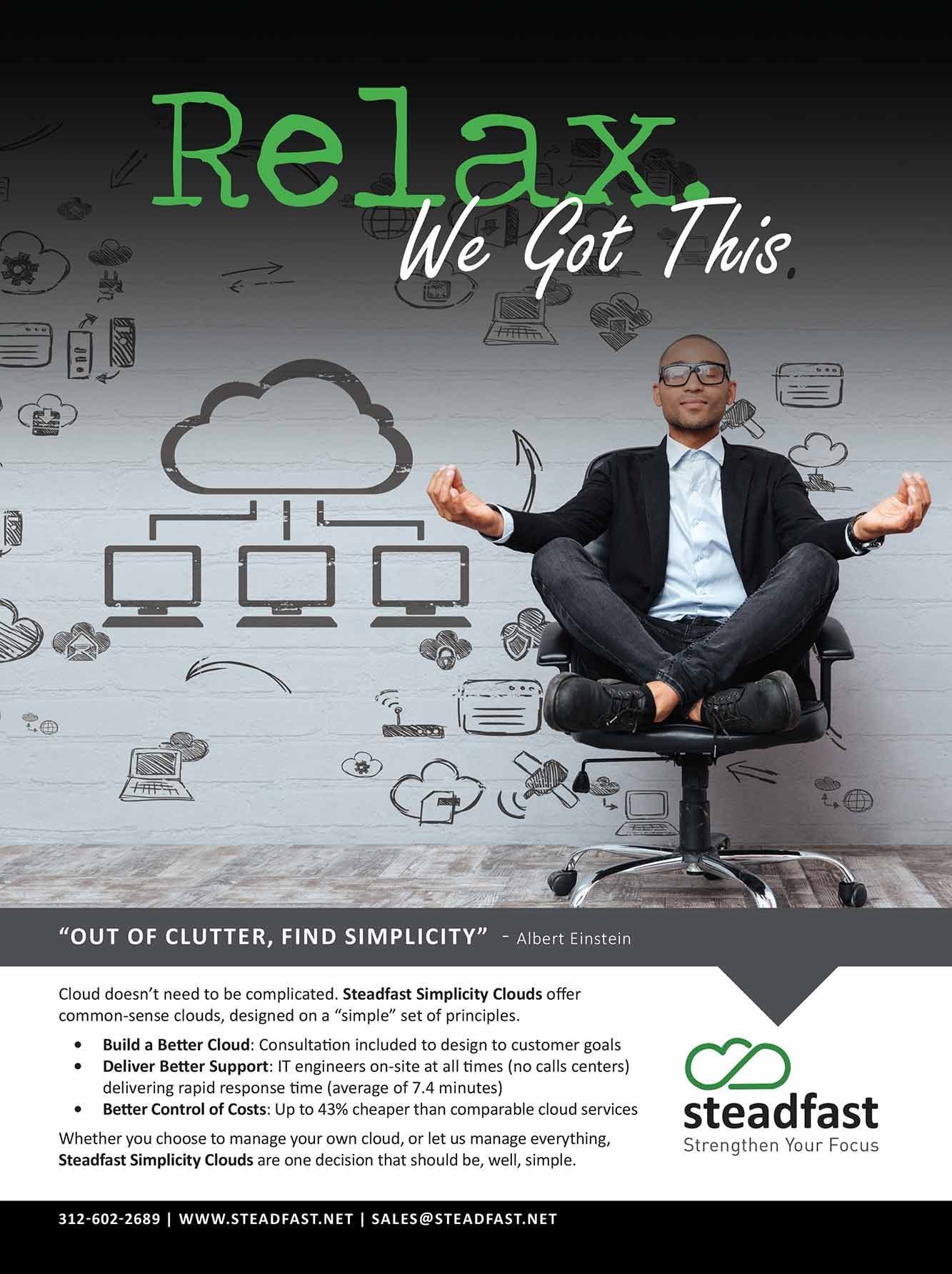
Launching a Cloud Built on Simplicity
Steadfast Simplicity Clouds went to market against complexity, not competitors, with “Relax. We Got This.” The launch ran across print and display with hard proof: a 7.4-minute average response time and pricing up to 43% below comparable clouds.
Position against the buyer’s biggest headache.
OpenMetal · Spin-Out Commercialization
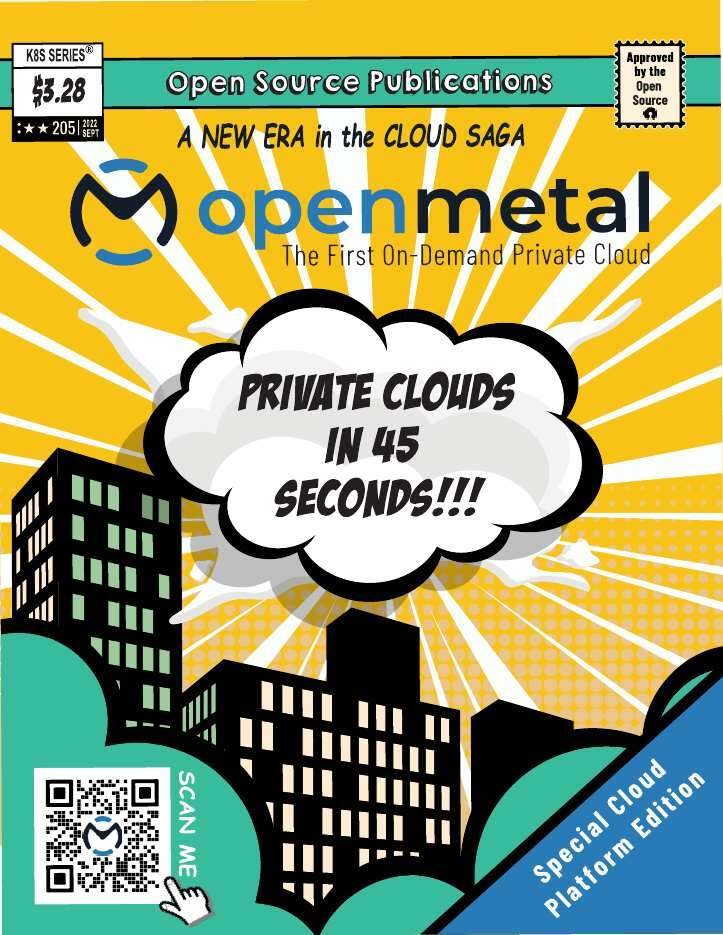
Taking a Spin-Out to Market
When OpenMetal spun out of InMotion Hosting’s Flex Metal Cloud, it had to go to market as a brand-new company. The motion centered on free trials: a QR code straight to signup, plus a freeCodeCamp tutorial series that pulled 375,000+ views and drove 1,000+ inbound cloud trials.
Make the path from curious to customer one step long.
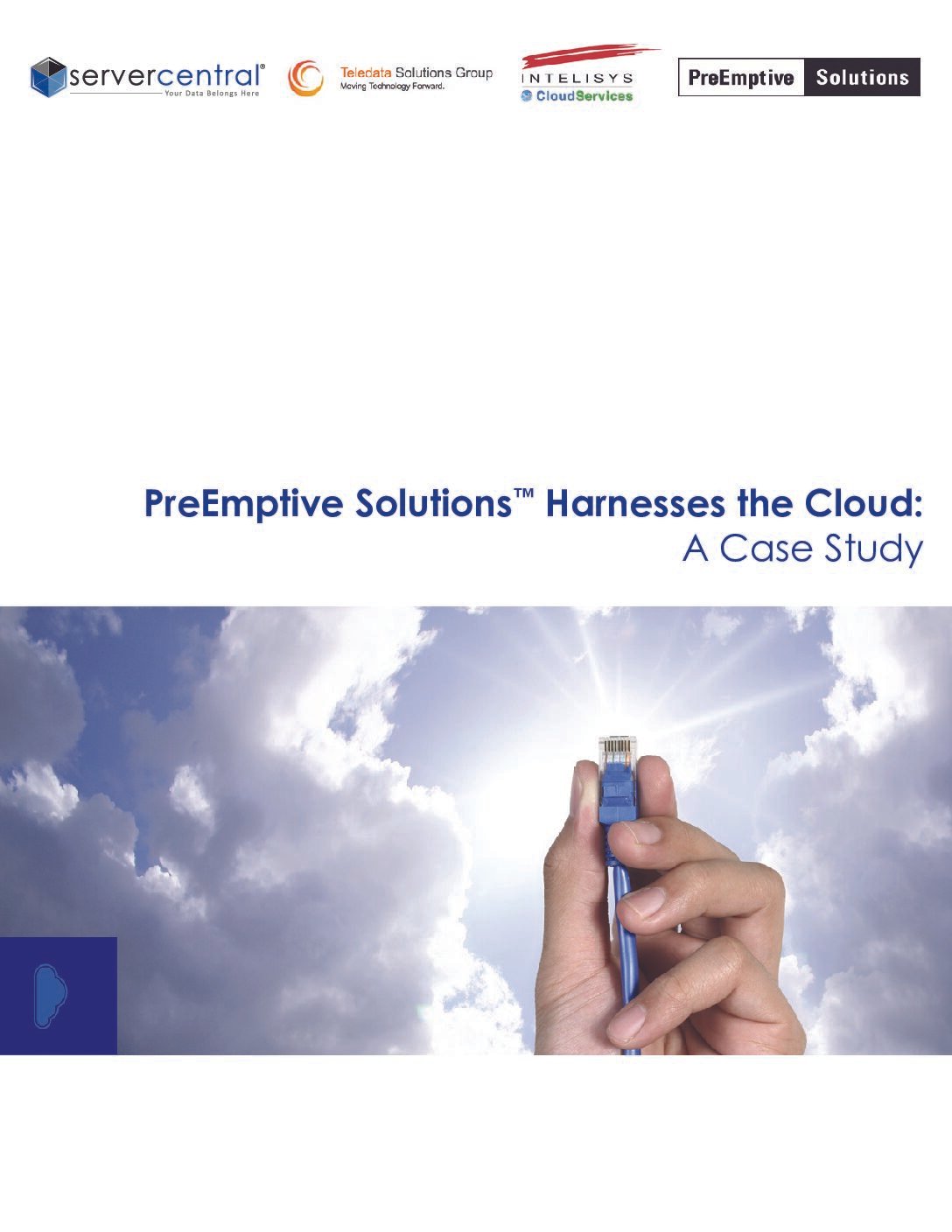
ServerCentral · Channel GTM
Arming the Channel
A great customer win only helps GTM if partners can use it. This case study put channel partners Intelisys and Teledata right in the story, with hard results like a 5-7x increase in I/O performance and zero downtime, so direct sales and the partner network could both run with it.
Your partners sell what you equip them to sell.
Is This You?
A GTM plan might be your next move if...
- You’re launching a new product or service and want it to land, not just “go live.”
- You’re entering a new market, region, or customer segment.
- You just merged, acquired, or spun out, and need one story everyone can tell.
- Your launches keep slipping, and nobody is quite sure whose fault it is.
- Marketing and Sales are running two different playbooks.
- Your campaigns get clicks… but not pipeline.
If you nodded at even one of those… let’s talk.
How We Can Help
Turn the planning on this page into an actual launch: ideal customer profile, positioning, messaging, a launch plan, and a sales enablement kit, typically in 4–8 weeks.
Your Mission Starts Here
Ready to Launch Without the Fire Drill?
Tell me what you’re taking to market and where things stand today. We’ll talk through the plan, the gaps, and the fastest path to revenue. No jargon, no pressure, and no self-destructing messages.
Still building the brand behind the launch? Check out Brand Building too.